History of Jim Corbett National Park
Jim Corbett National Park holds the distinction of being India's first national park and one of Asia's earliest wildlife reserves. Its origins trace back to the mid-19th century when the British colonial administration displaced the Boksas tribe from the Terai forests and placed these woodlands under systematic protection in 1879, constituting them as a Reserved Forest.
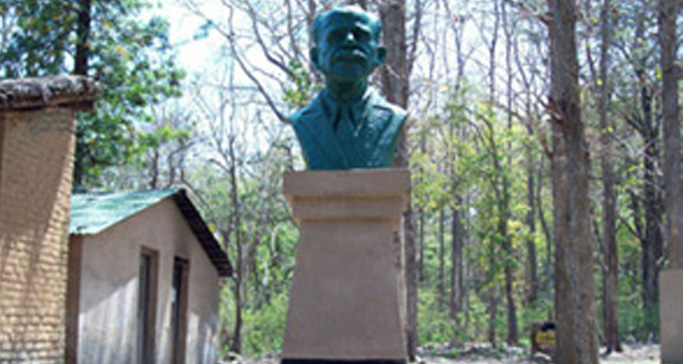
Conservation momentum grew in the early 20th century as uncontrolled hunting and cattle grazing began depleting wildlife. The legendary hunter-turned-conservationist Edward James "Jim" Corbett — renowned for tracking and eliminating man-eating tigers and leopards across Kumaon — played a pivotal role in lobbying for a protected reserve. In 1936, under the United Provinces National Parks Act, the reserve was formally gazetted as Hailey National Park — named after Sir Malcolm Hailey, then Governor of the United Provinces — covering an initial area of 323.75 sq km, earning it the title of Asia's first national park.
After India's independence, the park was renamed Ramganga National Park (1952) and subsequently Corbett National Park (1956–57) in honour of Jim Corbett, who had passed away in Kenya in 1955. The park gained renewed global significance in 1974 when it was selected as the inaugural launch site of Project Tiger — India's flagship tiger conservation programme — under Prime Minister Indira Gandhi. Subsequent boundary expansions incorporated the Kalagarh forest division and the Sonanadi Wildlife Sanctuary, bringing the total protected landscape to over 1,318 sq km, now designated the Corbett Tiger Reserve.
Wildlife of Jim Corbett National Park
Jim Corbett National Park is a biodiversity hotspot recognized globally for its exceptional density and variety of wildlife. Its diverse landscape — ranging from the alluvial Dhikala grasslands and sal forests to the rocky ridges of Kanda and the Ramganga reservoir wetlands — supports one of the richest assemblages of fauna in the Indian subcontinent.
| Category | Key Species | Best Zone to Spot |
|---|---|---|
| Big Cats | Bengal Tiger (~260), Leopard, Jungle Cat, Fishing Cat | Dhikala, Bijrani, Dhela |
| Large Mammals | Asian Elephant, Sloth Bear, Himalayan Black Bear, Ghoral, Sambar Deer, Chital, Barking Deer | Dhikala, Bijrani, Sonanadi |
| Primates | Rhesus Macaque, Common Langur | All zones |
| Reptiles | Gharial, Mugger Crocodile, Monitor Lizard, Indian Python, Cobra | Ramganga river banks |
| Birds (600+ species) | Great Hornbill, Pallas's Fish Eagle, Ibis Bill, Crested Serpent Eagle, Oriental Pied Hornbill, Red Jungle Fowl | Durga Devi, Sonanadi |
| Aquatic | Mahseer (Golden & Tor), Common Otter, Gangetic Dolphin (Ramganga River) | Ramganga Reservoir |
The park's vegetation spans five distinct types: bhabar (sal forest), chaur (riverine grassland), khair-sissoo forests, mixed broadleaf, and pine-covered ridges above 1,100 m elevation — giving every safari zone a unique character and wildlife composition.
The Six Safari Zones of Jim Corbett
The Corbett Tiger Reserve is divided into six distinct safari zones, each with a different terrain, wildlife density, and seasonal accessibility. Understanding the zones is critical for planning the right visit.
1. Dhikala Zone
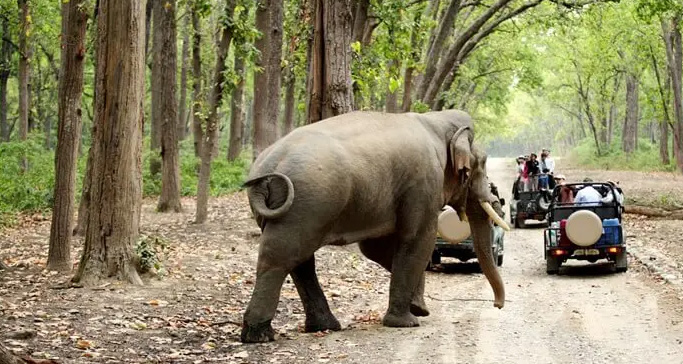
The crown jewel of Corbett. Spanning 190 sq km of open chaur grasslands beside the Ramganga Reservoir, this zone offers the highest probability of tiger and elephant sightings. Only overnight stays (Forest Rest House) allow entry. Located ~50 km from Ramnagar. Advance booking essential (opens 90 days prior).
2. Bijrani Zone
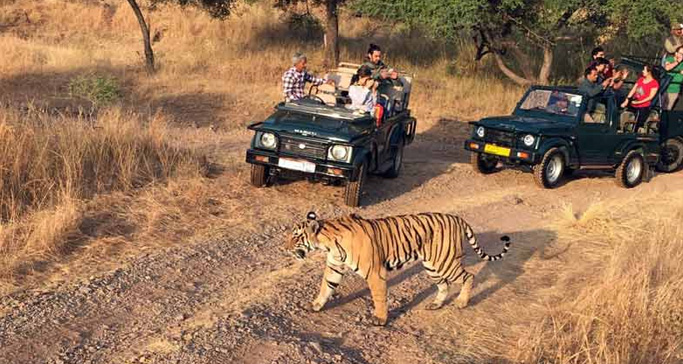
A popular day-visit zone located just 1 km from Ramnagar. Dense sal forest interspersed with grassy clearings makes it excellent for spotting tigers, elephants, and deer. Ideal for first-time visitors. Canter and jeep safaris available.
3. Jhirna Zone
The only zone open all 12 months, located 16 km from Ramnagar. Dry, scrubby terrain with rocky grasslands. While tiger density is lower, it reliably delivers sightings of leopards, sloth bears, sambar, and chital. A good option during monsoon when other zones close.
4. Dhela Zone
The only buffer-zone safari open to tourists, located 13 km from Ramnagar. Introduced in 2014, it offers a more relaxed, uncrowded experience. Lush mixed forests support diverse wildlife including tigers, elephants, and over 200 bird species. Ideal for nature photographers.
5. Durga Devi Zone
Located 36 km northeast of Ramnagar at higher elevation, bordering the Ramganga river gorge. Renowned as Corbett's premier birdwatching destination — home to the rare Ibis Bill, Pallas's Fish Eagle, and numerous Himalayan species. Also frequented by elephants and leopards.
6. Sitabani Zone
Located in the buffer zone, 18 km from Ramnagar. Technically outside the core reserve, private vehicles are permitted here — making it the only zone where you can self-drive. Rich biodiversity with high chances of elephant, tiger, and bird sightings. Ideal for budget travellers.
Best Time to Visit Jim Corbett National Park
Corbett is a year-round destination, but the experience varies significantly by season. Choose your travel window based on what you want to see and experience:
| Season | Months | Conditions & Highlights | Rating |
|---|---|---|---|
| Winter | Nov – Feb | All zones open. Cool weather (5–22°C). Best overall wildlife visibility — dry vegetation makes spotting easier. Peak birding season with migratory species. | ⭐⭐⭐⭐⭐ |
| Summer | Mar – May | Hot days (up to 40°C) but excellent tiger sightings near waterholes and the Ramganga River. All zones open. Lower accommodation rates than peak winter. | ⭐⭐⭐⭐ |
| Monsoon | Jun – Sep | Heavy rainfall. Most zones closed except Jhirna, Dhela, and Sitabani. Lush green forests but poor visibility. Road accessibility can be challenging. | ⭐⭐ |
| Post-Monsoon | Oct – early Nov | Zones reopen gradually. Fresh foliage, replenished waterbodies, fewer tourists. Good wildlife sightings begin building up. | ⭐⭐⭐ |
Safari Entry Fee & Booking (2024)
Safari fees are set by the Uttarakhand Forest Department and are periodically revised. The following are approximate costs for the 2024 season. Always confirm current charges at corbettonline.uk.gov.in before booking.
| Safari Type | Indian Visitors | Foreign Visitors | Details |
|---|---|---|---|
| Jeep Safari (Bijrani/Dhela/Jhirna) | ₹4,500 – ₹5,500 / vehicle | ₹10,000 – ₹12,000 / vehicle | Up to 6 persons per jeep. Includes entry, guide, and gyspy charges. |
| Jeep Safari (Dhikala Zone) | ₹6,500 – ₹8,000 / vehicle | ₹14,000 – ₹16,000 / vehicle | Higher fee due to core zone access. Overnight stay mandatory. |
| Canter Safari (Dhikala) | ₹2,500 – ₹3,000 / person | ₹5,000 – ₹6,000 / person | Shared large vehicle (16–18 seats). Day trip only. |
| Conservation Fee | ₹50 / person | ₹50 / person | Charged additionally for all zones. |
| Camera Fee | ₹200 / DSLR | ₹200 / DSLR | Video cameras attract higher charges. |
Top Attractions Near Jim Corbett National Park
Beyond the safari zones themselves, the Corbett region offers a rich tapestry of natural and cultural experiences:
🏭 Corbett Waterfall (Corbett Falls)
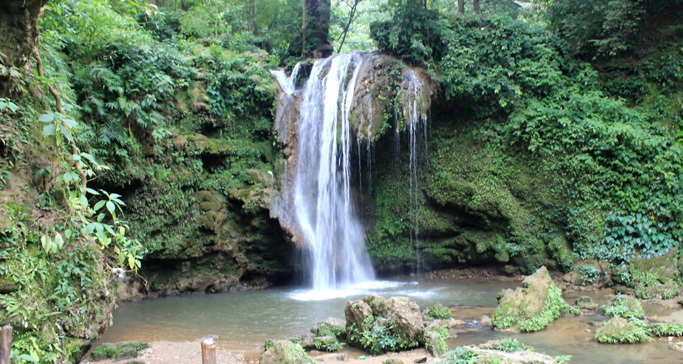
A picturesque 20-metre cascade located 25 km from Ramnagar on the Kaladhungi road, surrounded by dense sal and mixed forests. The waterfall is at its spectacular best from August to October following the monsoon. A pleasant half-day excursion away from the safari circuit.
🕱 Garjia Devi Temple
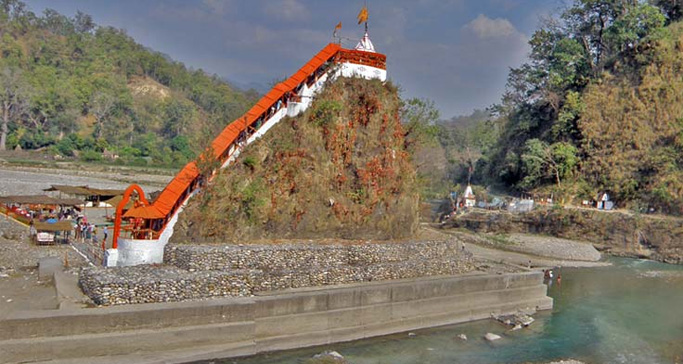
An ancient Hindu temple dedicated to Goddess Garjia, perched dramatically on a large boulder mid-stream in the Kosi River, 12 km from Ramnagar. The temple is especially revered during Kartik Purnima (October–November), when a large mela (fair) draws thousands of pilgrims. The site blends spiritual significance with spectacular river scenery.
🏝 Jim Corbett Museum, Kaladhungi
Housed in the meticulously preserved winter home of Jim Corbett at Kaladhungi, 26 km from Ramnagar, this museum contains original furniture, hunting trophies, personal memorabilia, photographs, and first editions of his books. Managed by the Uttarakhand Forest Department, it offers an intimate portrait of the man whose name the park bears.
🌃 Ramganga Reservoir (Dhikala Chaur)
The vast Ramganga Reservoir at the heart of the Dhikala zone is one of Corbett's most iconic landscapes — open grasslands meeting still blue waters, with the Himalayan foothills in the distance. It is a critical watering point for tigers, elephants, and gharials, making the Dhikala machan (raised watchtower) one of India's premier wildlife-viewing spots.
🏊 River Rafting on the Kosi & Ramganga
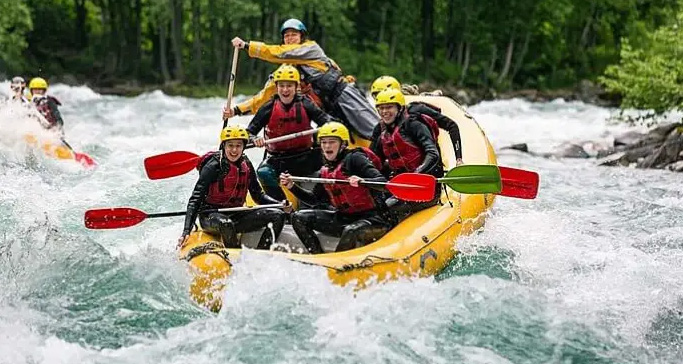
For adventure seekers, white-water rafting on the Kosi River (Grade I–II) offers a thrilling perspective of the forest fringes. Rafting camps operate between October and June, with half-day and full-day packages available from Ramnagar and Garjia.
How to Reach Jim Corbett National Park
✈️ By Air
Pantnagar Airport (PGH), located approximately 80 km from Ramnagar, is the nearest operational airport and receives flights from Delhi. However, most travellers prefer to fly into Indira Gandhi International Airport, New Delhi (IGI – 260 km away), which offers comprehensive domestic and international connectivity. Cabs and pre-booked transfers from Delhi to Corbett take roughly 5–6 hours via NH-9 (Moradabad highway).
🚌 By Road
The drive from Delhi to Ramnagar (approx. 260 km) takes 5–6 hours via National Highway 9 through Moradabad and Kashipur. Road conditions are generally good. Private taxis, self-drive cars, and Volvo/AC buses operated by UPSRTC and private operators connect Delhi, Haridwar, and Dehradun to Ramnagar. Delhi to Corbett buses depart from Anand Vihar ISBT and Kashmiri Gate ISBT.
🚊 By Train
Ramnagar Railway Station (12 km from park entry) is the closest railhead, well-connected to Delhi (Corbett Link Express / Ramnagar Express), Moradabad, Bareilly, and Lucknow. The journey from Delhi takes approximately 6 hours. Local taxis and shared cabs from the station to resorts and park gates are readily available.
Frequently Asked Questions
Can I see tigers at Jim Corbett National Park?
Yes — Corbett has one of the highest tiger densities in the world with approximately 260 tigers. Sighting probability in Dhikala and Bijrani zones is high during the morning safari, particularly in March–May when tigers frequent water bodies. However, sightings are never guaranteed as these are wild animals in their natural habitat.
Is overnight camping allowed inside Corbett National Park?
Yes, but only within designated Forest Rest Houses (FRHs) managed by the Uttarakhand Forest Department. The Dhikala FRH and Gairal FRH are the most sought-after. Camping in tents inside the core zone is strictly prohibited. Overnight stays are compulsory for those wishing to access the Dhikala Zone on day safaris.
What should I wear on a jungle safari in Corbett?
Wear earth tones (green, khaki, brown) to blend with the forest. Avoid white, bright red, or orange which can disturb wildlife. Carry a light jacket for morning safaris (especially November–January when temperatures drop to 5°C). Closed shoes are recommended over sandals. Do not carry strong-smelling perfumes or colognes.
How many days are sufficient for visiting Corbett?
A minimum of 2 nights / 3 days is recommended to cover at least two safari sessions and one attraction. If you wish to include Dhikala overnight stay plus sightseeing at Garjia Temple, Corbett Museum, and Corbett Falls, plan for 3 nights / 4 days. Serious wildlife photographers often stay 5–7 days.
